

Showdown: 2025 Toyota Corolla Cross Hybrid vs. 2025 Subaru Crosstrek – Which Subcompact SUV Fits You Best?
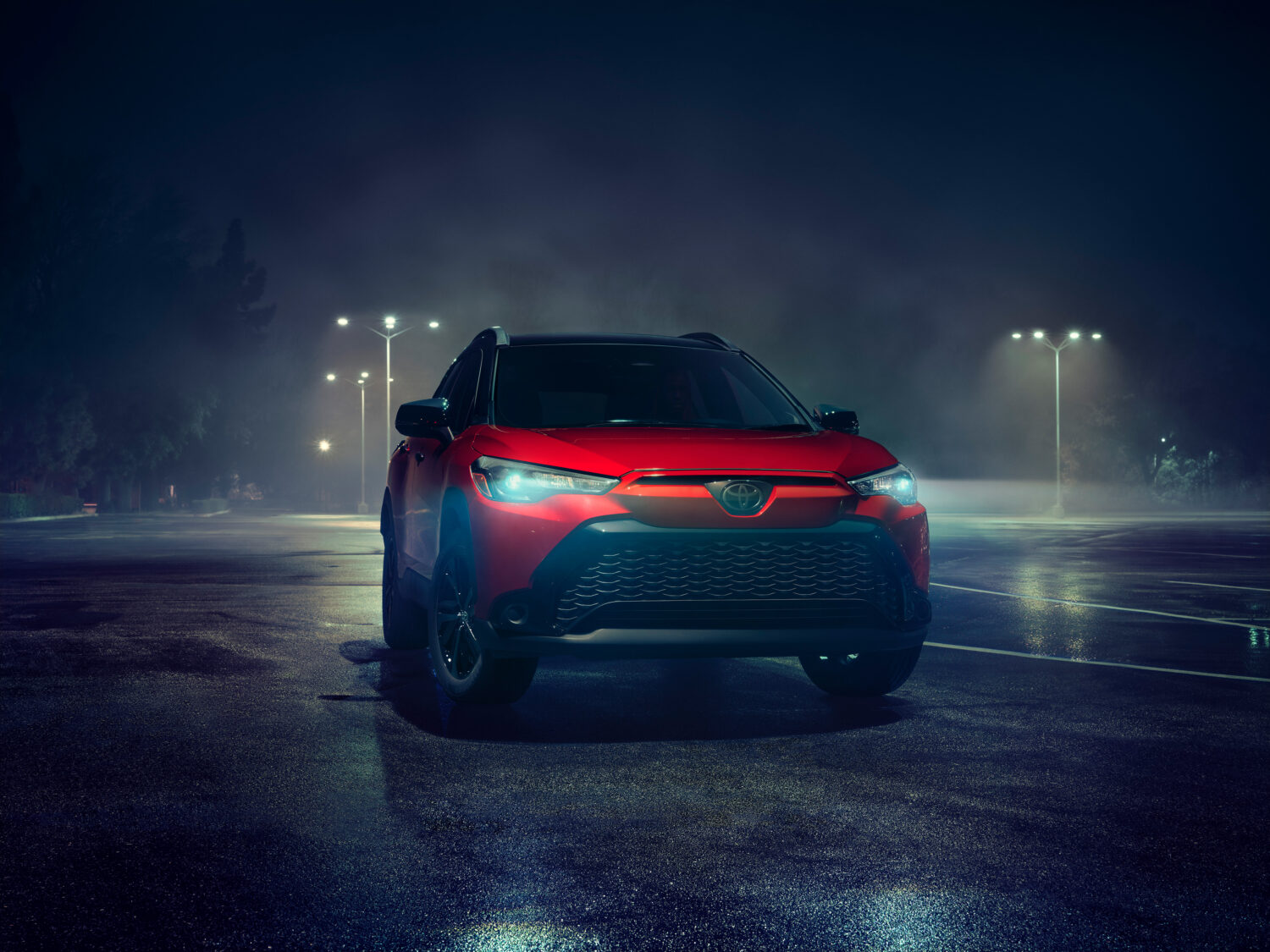
The 2025 Toyota Corolla Cross Hybrid and the 2025 Subaru Crosstrek are two standout options in the competitive subcompact SUV segment. Both vehicles appeal to different lifestyles and offer unique features, making them popular choices for crossover enthusiasts and small SUV shoppers alike. Whether your focus is on off-road capability, fuel efficiency, or interior cargo space, both the Corolla Cross Hybrid and Crosstrek bring plenty to the table. This head-to-head comparison breaks down their strengths, helping you decide which might be right for you.
Performance & Powertrains
Toyota Corolla Cross Hybrid
The Corolla Cross Hybrid blends efficiency and performance with its hybrid powertrain. Utilizing a 2.0-liter 4-cylinder engine and electric motor, it generates a combined rating of 196 horsepower. With an EPA-rated fuel economy of 45/38/32 mpg (city/highway/combined), the Corolla Cross Hybrid makes a compelling case for buyers prioritizing superb gas mileage. The hybrid system means quieter operation during low speeds, enhancing its appeal for urban drivers.
Subaru Crosstrek
The Subaru Crosstrek offers versatility with two engine variants. The base and Premium trims are powered by a 2.0-liter engine, producing 152 horsepower, while the Sport, Limited, and Wilderness trims get a more powerful 2.5-liter engine with 182 horsepower. While this doesn’t scream power, it’s satisfactory for commuting or light adventuring. Pair this with Subaru’s renowned all-wheel drive (AWD) standard on all trims, and the Crosstrek is ready for most terrains. While fuel economy isn’t its strongest suit, the Crosstrek delivers a respectable 27 mpg city/34 mpg highway in its base configuration.
Interior Features & Cargo Space
Toyota Corolla Cross Hybrid
On the inside, the Corolla Cross Hybrid balances simplicity with functionality. Its dashboard features an intuitive 8-inch touchscreen and includes Apple CarPlay, Android Auto, plus SiriusXM as standard. The cabin’s materials are durable rather than luxurious, which aligns with its affordability. When it comes to cargo space, the Corolla Cross offers an impressive 24 cubic feet behind the back row or even more when the seats are folded flat, letting road-trip aspirations become reality.
Subaru Crosstrek
The Crosstrek comes with an equally practical yet slightly rugged interior. Higher trims offer leather-trimmed seating and a larger 11.6-inch touchscreen in Sport models and up. Standard features include wireless Apple CarPlay and Android Auto. Subaru pulls ahead with utility and space, offering 20 cubic feet of cargo area with the seats up, which expands to 55 cubic feet when folded down. While slightly more interior space than the Corolla Cross isn’t a massive difference, it does benefit drivers with a greater need to transport gear or luggage frequently.
Safety and Driver Assistance
On the safety front, both vehicles are neck-and-neck, reflecting high standards across the subcompact SUV market.
Toyota Corolla Cross Hybrid
The Corolla Cross Hybrid comes with Toyota Safety Sense, a robust suite of driver assistance features including adaptive cruise control, lane-departure warning, lane-keeping assist, automated emergency braking, road sign detection, and automatic high-beam assist. Toyota’s reputation for delivering affordable yet reliable safety equipment ensures that even hybrid trims provide confidence on the road.
Subaru Crosstrek
Subaru counters with the EyeSight driver-assistance system, which is also standard. Features like adaptive cruise control, lane-keeping assist, automated emergency braking, and a rearview camera ensure attentiveness during your drives. Though the IIHS and NHTSA have consistently given positive safety feedback to both rivals, Subaru’s off-road assist modes provide extra security for adventurers tackling uneven paths.
Value & Pricing
If price is a deciding factor, the Toyota Corolla Cross Hybrid keeps slightly more money in your wallet with a starting MSRP of $28,395. Meanwhile, the Subaru Crosstrek begins at $27,115, but the trims offering AWD-standard capabilities and engine upgrades can quickly push that figure to around $33,000 for premium options like the Wilderness trim.
Which Subcompact SUV Fits You Best?
Both the 2025 Toyota Corolla Cross Hybrid and the 2025 Subaru Crosstrek make a solid case on their own. Choose the Toyota Corolla Cross Hybrid if fuel efficiency, tech-forward simplicity, and cargo space are your priorities. Opt for the Subaru Crosstrek if adventure-ready AWD, smoother handling on rugged terrain, and spacious versatility align more with your lifestyle.
But why take our word for it? See for yourself the comfort and quality that Toyota can offer. Visit Casa Toyota to test drive the 2025 Toyota Corolla Cross Hybrid today and experience the feeling behind the wheel firsthand! We have a variety of new 2025 Corolla Cross available to choose from and experts to make the buying process a breeze!
We look forward to seeing you at Casa Toyota in Alamogordo!
Toyota has secured its spot as the world’s most valuable car brand for 2025, reinforcing its dominance in the automotive industry. According to Brand Finance’s Global 500 rankings, Toyota’s brand value rose 23% to $64.7 billion, outpacing competitors and earning an AAA+ brand strength rating. This achievement ranks Toyota as the top automaker and 18th overall among global brands.
Toyota’s Road to Success: Innovation, Reliability, and Global Reach
Toyota’s journey to the top of the global automotive industry is a testament to its unwavering focus on quality, innovation, and customer satisfaction. Here’s how the brand continues to lead the way:
Reliability Meets Innovation
Toyota has built its reputation on producing vehicles that stand the test of time. Models like the Corolla, Camry, and Tacoma consistently rank high in reliability surveys, earning the trust of millions of drivers. But Toyota doesn’t stop there. The brand is also a pioneer in advancing hybrid technology and pushing toward a carbon-neutral future with developments in fuel cells and water electrolysis systems.
A Truly Global Player
Toyota’s strength lies not only in the cars it produces but in its ability to connect with consumers worldwide. With 9.25 million vehicles sold by November 2024, Toyota has seen impressive growth in key markets like North America and China. This global adaptability ensures that Toyota vehicles meet the unique needs of drivers across diverse regions.
The Power of Brand Loyalty
Toyota’s AAA+ brand strength rating and high Brand Strength Index (BSI) score of 92.3 reflect its deep connection with consumers. From excellent customer service to a consistent focus on quality, Toyota’s approach has fostered loyalty and trust, keeping it ahead of the competition.
Green Mobility, Done Right
While many automakers rushed into fully electric vehicles, Toyota took a more balanced hybrid-first approach, proving that sustainability doesn’t have to compromise performance or reliability. This well-timed strategy has resonated with eco-conscious drivers and positioned Toyota as a leader in green mobility.
Expanding Horizons in Motorsport
Toyota’s recent return to Formula 1 in collaboration with the Haas F1 Team highlights its dedication to innovation and its ability to engage with motorsport fans worldwide. This move reinforces Toyota’s image as a brand that blends aspiration with accessibility.
Outpacing the Competition
Toyota’s leadership in the automotive world is further solidified as it outpaces competitors with a clear vision and thoughtful strategies. While other automakers face challenges, Toyota’s ability to combine reliability, innovation, and sustainability ensures its position as the industry leader.
The Automotive Industry Impacts
Toyota’s leadership in the 2025 Brand Finance rankings highlights a broader shift in the automotive industry. German brands such as Mercedes-Benz, BMW, and Porsche continue to dominate the Top 10 rankings, showcasing their ability to blend luxury with innovation. Meanwhile, Chinese automotive brands are rising rapidly, with BYD emerging as a key player. Focused solely on electric and plug-in hybrid vehicles, BYD is ranked 12th overall and has become the world’s leading EV brand as well as the fastest-growing automaker, posing a strong challenge to legacy giants. Japanese engineering remains highly competitive, with Honda joining Toyota as one of the Top 10 automotive brands, demonstrating Japan’s resilience in adapting to massive technological shifts.
Lessons to Learn from Toyota’s Achievement
Toyota’s success provides a masterclass in building long-term brand value. The company’s consistent focus on innovation, such as hybrid technology and sustainability initiatives, keeps its products relevant and future-proof. By understanding and adapting to varying market demands globally, Toyota has achieved broad appeal, fostering growth and consumer loyalty across regions. Additionally, its emphasis on reliability and service excellence has won customer trust, enabling Toyota to maintain market dominance despite intense competition.
Wrapping Up
Toyota’s crowning moment as the world’s most valuable car brand of 2025 is a win not just for the automaker, but for the industry at large. It demonstrates the importance of consistency, innovation, and consumer trust in determining long-term success.
While competitors might stumble, Toyota’s balanced approach—blending cutting-edge technology, global adaptability, and customer-first strategies—continues to set the standard for the future of mobility. Want to see this innovation in action? Visit Casa Toyota today to experience the newest Toyota models like the 2025 Grand Highlander Hybrid and 2025 Toyota Corolla and discover what sets them apart from the competition! At Casa Toyota, we’re here to help provide you with the excellence befitting the Toyota name in customer service, auto service, financing, and more.
We look forward to seeing you at our dealership in Alamogordo today!
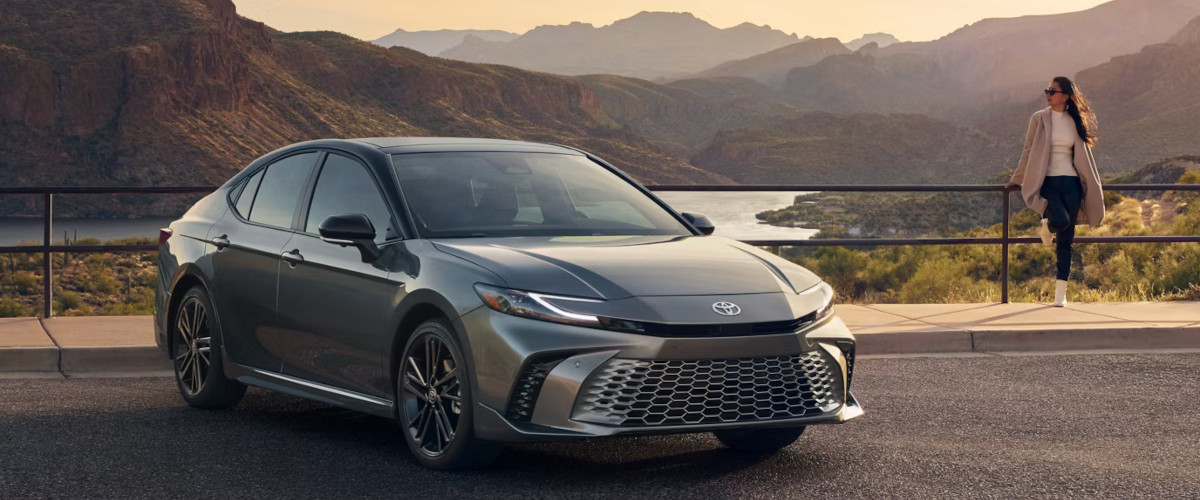
The midsize sedan segment remains ruled by two heavyweights: the Toyota Camry and Honda Accord. For 2025, both models have undergone significant changes. The Camry now comes exclusively with hybrid powertrains and a stylish new look, while the Accord features upgrades in its interior, performance, and tech. So, which sedan is the perfect fit for you?
Engine, Transmission, and Performance
The 2025 Honda Accord offers two engine options: a 1.5-liter turbocharged engine with 192 horsepower and a hybrid system with 204 horsepower. The Accord is known for its sporty and smooth ride, with precise steering. The hybrid model accelerates from 0-60 mph in 6.5 seconds and switches between electric and gas power effortlessly.
The 2025 Toyota Camry is only available as a hybrid. It has a front-wheel-drive version with 225 horsepower and an all-wheel-drive version with 232 horsepower. The all-wheel-drive model is slightly quicker, going from 0-60 mph in 6.8 seconds. It performs well in the city with fast electric torque, though its steering isn’t as sharp as the Accord’s.
Both cars perform admirably, but the Accord shines with its sporty handling. In contrast, the Camry provides more power in its all-wheel-drive version, appealing to those seeking added versatility.
Fuel Economy
Fuel efficiency is a strong suit for both sedans. The Camry hybrid boasts an EPA-rated 53 mpg city/50 mpg highway in its base front-wheel-drive configuration, while the all-wheel-drive models achieve 51 mpg city/49 mpg highway.
The Accord hybrid delivers 51 mpg city/48 mpg highway, while its non-hybrid version offers 29 mpg city/37 mpg highway.
While the differences are minor, the Camry hybrid edges out the Accord with slightly higher efficiency ratings, especially for long-term fuel savings.
Interior, Comfort, and Cargo
The Accord’s interior has a simple, modern design with high-quality materials. It features honeycomb air vents, a 10.2-inch digital driver display, and optional leather seats for a more premium feel. It also offers 40.8 inches of rear legroom and 16.7 cubic feet of trunk space, making it practical and comfortable.
The Camry focuses on comfort with improved seats, dual-zone climate control, and better rear air vents. Options like leather seats and a panoramic sunroof add a stylish touch. However, it has less space than the Accord, with 38 inches of rear legroom and 15.1 cubic feet of trunk space.
Both cars have great interiors, but the Accord offers more room, while the Camry adds extra luxury features.
Infotainment and Connectivity
The Honda Accord features a standard 12.3-inch touchscreen on most trims, paired with wireless Apple CarPlay and Android Auto. Higher trims offer Google Assistant, Google Maps integration, and a premium 12-speaker Bose audio system.
The Toyota Camry starts with an 8.0-inch display, with a 12.3-inch screen standard on XLE and XSE trims. Wireless Apple CarPlay and Android Auto are standard across the lineup, and a nine-speaker JBL stereo is available as an option.
Safety and Driver Assistance
Both sedans have strong safety features. The Honda Accord has Honda Sensing, which includes adaptive cruise control, lane-keeping assist, and pedestrian detection. It has a 5-star safety rating from the NHTSA and a Top Safety Pick+ award from the IIHS.
The Toyota Camry comes with Toyota Safety Sense 3.0, which includes features like pedestrian and cyclist detection, adaptive cruise control, and extra braking help for turns. While the 2025 safety ratings aren’t out yet, older models have had good safety scores.
Pricing and Value
The Toyota Camry starts at $29,535, making it more affordable compared to the Honda Accord, whose hybrid models begin at $34,750. However, the Accord’s strong resale value helps justify its higher upfront cost over time.
The Verdict
Consider the Honda Accord if: You’re looking for advanced tech features, a refined hybrid system, and high safety ratings. The Accord also excels in rear-seat comfort and overall driving dynamics.
Consider the Toyota Camry if: You prioritize affordability, fuel efficiency, and options like all-wheel drive. The Camry is a strong choice for eco-conscious buyers seeking a reliable, stylish sedan.
Both models deliver excellent performance and features for 2025, and the choice ultimately depends on your specific needs, the only way to know for sure is to experience these sedans first-hand. Ready to get behind the wheel of the 2025 Toyota Camry? Visit Casa Toyota today and get behind one of the most efficient vehicles on the market! Our team can help you drive home happy this holiday with financing options and Toyotathon seasonal specials to ensure you start the new year the right way. We look forward to seeing you at Casa Toyota in Alamogordo!
The Toyota RAV4, a staple in the compact SUV market, is renowned for its reliability and versatility. With the 2025 and 2026 models coming, look forward to exciting changes and enhancements that promise to elevate your driving experience.
2025 Toyota RAV4: A Subtle Evolution
While the 2025 RAV4 may not introduce radical changes, it refines and enhances what already works. The key updates involve a streamlined trim lineup and a continued commitment to hybrid technology. The 2025 model will see the removal of the Adventure and TRD Off-Road trims in the non-hybrid lineup. Instead, the Woodland Edition remains a stylish option for those seeking a touch of ruggedness in the RAV4 Hybrid. The RAV4 Prime is rebranded as the RAV4 Plug-in Hybrid, aligning its name with its capabilities while maintaining its robust performance and efficiency. Although pricing sees a minor increase from 2024, starting at $30,245 for the base model, the 2025 RAV4 offers various trims and configurations, including the RAV4 Hybrid and Plug-in Hybrid, catering to diverse preferences.
The powertrains remain consistent with the 2024 model, boasting a 2.5-liter four-cylinder engine with hybrid and plug-in hybrid variants. This ensures a balance between power and fuel efficiency, with the RAV4 Plug-in Hybrid delivering an impressive 302 horsepower. The 2025 RAV4 features Toyota’s latest Audio Multimedia system, complete with an 8-inch touchscreen, voice control, wireless Apple CarPlay, and Android Auto. Safety features include adaptive cruise control, lane departure assistance, and more, ensuring peace of mind on the road.
2026 Toyota RAV4: What We Know So Far
The 2026 Toyota RAV4 is set to usher in a new era of design, efficiency, and innovation. While details are still emerging, here’s what we anticipate for this next-generation model. Expect a fresh design language that borrows from Toyota’s latest models, featuring a more traditional yet modern look. A boxier, more rugged appearance enhances its appeal, while updated headlights and taillights add a touch of sophistication.
Inside, the 2026 RAV4 will likely offer a revamped cabin layout with a central touchscreen, digital instrument display, and physical controls for an intuitive driving experience. Enhanced materials and finishes elevate the interior, providing comfort and style. Toyota’s commitment to sustainability means the 2026 RAV4 will likely transition to an all-hybrid lineup. This aligns with broader industry trends toward electrification while ensuring the RAV4 remains competitive in a rapidly evolving market. Despite updates and enhancements, Toyota aims to keep the RAV4’s pricing competitive within its segment. Expect the entry-level hybrid model to start around $33,295, maintaining accessibility while offering advanced features.
A Bright Future Ahead for Toyota’s Most Popular SUV
The future of the Toyota RAV4 promises a blend of innovation and continuity, ensuring it remains a top choice for drivers seeking reliability, efficiency, and style. Whether you’re drawn to the subtle refinements of the 2025 model or eagerly anticipating the generational leap of the 2026 RAV4, there’s plenty to look forward to.
Keep an eye out for more details as Toyota continues to refine and develop this beloved SUV. The RAV4’s legacy of excellence shows no sign of slowing down, and the upcoming models are set to continue that tradition. Visit Casa Toyota to test drive the 2024 Toyota RAV4 and experience its innovative features before the new generation arrives in 2025 and 2026. Stop by the financing department to plan your purchase of a new RAV4 next year!
Celebrating National Seat Belt Day on November 14th
Each year on November 14th, we celebrate National Seat Belt Day to highlight the life-saving benefits of that simple buckle. This occasion serves as a chance to recognize the historical impact of seat belts while also raising awareness about their ongoing importance in promoting road safety.
Why National Seat Belt Day Matters
National Seat Belt Day, established in 2019 by the Governors Highway Safety Association (GHSA), Uber, and Volvo, serves as a reminder that the three-point seat belt, invented by Nils Bohlin in 1959, remains one of the most effective safety innovations in the history of automobiles. Despite its simplicity, this invention has saved countless lives and continues to be a critical component in vehicle safety. Often overlooked, the seat belt is a humble hero of road safety. Consider these compelling statistics: seat belts reduce fatalities by 45% among front-seat passengers and drivers, prevent serious injuries by 50%, and are an essential complement to airbags, which can be dangerous if passengers aren’t restrained by seat belts.
How to Observe National Seat Belt Day
Buckling up every time you get into a vehicle is a simple yet crucial action for your safety. By wearing your seat belt consistently, you can significantly reduce the risk of injury. Be a role model and encourage those around you to do the same, ensuring all passengers are properly buckled up, whether it’s a short drive or a long journey.
Spread awareness about the importance of seat belts through conversations and social media. Share stories, statistics, and experiences to emphasize why buckling up is vital. Educating children on this habit can lead to lifelong safety practices. Engage them with activities like the Buckle Up Buddy Heart craft and Ride Safe activity sheet to teach road safety effectively.
The Evolution of Seat Belt Usage
The story of seat belts is a reflection of advancements in vehicle safety. Beginning with Edward J. Claghorn’s patent in 1889 and culminating in the requirement for all U.S.-manufactured cars to include seat belts by 1968, this journey underscores a deepening commitment to safeguarding lives on the road.
Initially, there was skepticism surrounding seat belts, with critics voicing concerns about passengers potentially being trapped in accidents. However, research quickly dispelled those fears. By 1968, seat belts became federally mandated, leading to a steady rise in usage—from 58% in 1994 to nearly 92% by 2023.
Quick Facts About Seat Belts
Influencing the Next Generation: Kids whose parents consistently wear seat belts are more likely to buckle up themselves.
Rural vs. Urban Dynamics: Contrary to popular belief, rural regions often experience higher rates of fatalities among unrestrained occupants.
Rear-Seat Responsibilities: It’s crucial for back-seat passengers to fasten their seat belts to maximize safety during collisions.
Buckle Up, Every Time, Everywhere!
National Seat Belt Day is more than just a date on the calendar; it’s a call to action. It’s a reminder that we hold the power to protect ourselves and our loved ones with the simple act of buckling up. This November 14th, Visit Casa Toyota in Alamogordo to celebrate the innovation of the seat belt with Toyota’s commitment to safety and make every ride a safe one. Spread the word, educate those around you, and most importantly, click it every time you get into a vehicle. Remember, it’s not just about avoiding a ticket—it’s about saving lives. Need a repair to ensure the safety of your vehicle? Visit our service center for quality repairs, parts, and tires! Our team looks forward to meeting you.
In the competitive compact crossover SUV market, the 2024 Toyota RAV4 and 2025 Subaru Forester are top contenders. Each has unique features appealing to different buyers. This comparison highlights their strengths and areas for improvement, helping you choose the best fit by scheduling a test drive.
Key Features and Variants
Toyota RAV4
Toyota offers the RAV4 in a multitude of variants, including gas, hybrid, and plug-in hybrid options. The RAV4 is known for its versatility and caters to a broad audience with its rugged Adventure and TRD Off-Road editions, along with more economical models. The hybrid variants provide excellent value, with only a modest price increase compared to the all-wheel-drive gas model.
Subaru Forester
Subaru’s Forester emphasizes safety and all-wheel-drive capability. The redesigned 2025 model may not seem as rugged as the RAV4, but it excels in off-road capability and offers a refined cabin. The Forester has historically lacked hybrid options but compensates with a spacious interior and top-tier safety features. That may not be for long, however, as there are plans to bring a hybrid Forester to the North American market this year.
Performance and Driving Experience
The Subaru Forester provides a smooth and quiet ride, thanks to its well-tuned suspension. Equipped with a 2.5-liter flat-4 engine that produces 180 hp, it prioritizes capability over speed. The full-time all-wheel-drive system offers excellent traction, making it a reliable choice for off-road adventures. On the other hand, the Toyota RAV4 comes with a 203-hp 2.5-liter inline-4 engine, offering a balance of power and efficiency. The RAV4 Hybrid, with its additional low-end torque, smooth launch power, and 219 hp output, is quieter and more responsive than the gas-only version. Meanwhile, the RAV4 Prime takes performance up a notch with 302 hp and the ability to reach 60 mph in 5.7 seconds.
Interior and Space
The Subaru Forester is known for its roomy interior, providing ample space for passengers and their belongings. Rear passengers enjoy 39.4 inches of legroom, surpassing many competitors in comfort. Despite its spacious cabin, the cargo area offers 29.6 cubic feet, which is slightly less than the RAV4.
The Toyota RAV4 also seats five comfortably but offers slightly less rear legroom at 37.8 inches. However, it compensates with a larger cargo space of 37.5 cubic feet, making it ideal for those needing extra storage.
Fuel Economy
The Subaru Forester achieves an average of 29 mpg combined, which is respectable for its class but falls short of the efficiency found in Toyota’s hybrid options. The Toyota RAV4 Hybrid shines with an impressive 38 mpg combined, while the RAV4 Prime offers up to 42 miles of all-electric driving. For those prioritizing fuel efficiency, the RAV4 Hybrid and Prime are strong contenders.
Safety and Styling
The Subaru Forester boasts top safety ratings from both IIHS and NHTSA. It offers a comprehensive suite of driver-assist features and superior outward visibility, thanks to its slim roof pillars and high seating position. On the other hand, the Toyota RAV4 also earns high safety marks and comes equipped with essential safety technology. However, its thick rear roof pillars can obstruct rearward visibility.
Let Casa Toyota Help You Choose!
Choosing between the 2025 Subaru Forester and the 2024 Toyota RAV4 comes down to your specific needs and lifestyle. The RAV4’s extensive range of powertrains and robust cargo capacity make it a versatile choice, especially for those seeking hybrid efficiency. On the other hand, the Forester’s strong safety ratings, spacious interior, and off-road prowess make it ideal for those who value rugged reliability and comfort. Both the Subaru Forester, starting at $31,090, and the Toyota RAV4 LE with AWD, starting at $31,425, are closely priced, offering a range of trims to accommodate various budgets and needs.
Both models offer compelling features and benefits, so the best way to decide is to experience them firsthand. Visit Casa Toyota and schedule a test drive today! We encourage you to test drive both vehicles and understand why the Toyota RAV4 is the best vehicle for you!
National Manufacturing Day and the Auto Industry

Every first Friday of October, the United States celebrates National Manufacturing Day (MFG Day). This event, started by the Manufacturing Institute, highlights manufacturing’s economic importance and showcases career opportunities. For the auto industry, MFG Day is a chance to recognize its contributions and anticipate future innovations.
The Importance of MFG Day
MFG Day is not just a one-day event; it kicks off a month-long celebration of Manufacturing Month. Thousands of companies and educational institutions open their doors to students, parents, educators, and community leaders. The aim? To educate the public about the realities of modern manufacturing and inspire the next generation to pursue careers in this vital sector.
In the context of the auto industry, MFG Day is particularly significant. American manufacturers have been at the forefront of technical development for over two centuries, and the automotive sector has played a crucial role in this legacy. From the assembly lines of the past to today’s cutting-edge electric vehicle (EV) production, the auto industry exemplifies American innovation and resilience.
The State of the Automotive Industry
The automotive industry is a powerhouse of economic activity and innovation. By 2030, it’s anticipated that the automotive industry will achieve nearly $9 trillion in revenue and sales. In 2020, the U.S. Motor Vehicle and Retail Parts trade revenue was $1.25 trillion. The United States produced 8.8 million vehicles in 2020, which was 19% less than in 2019. In 2021, nearly 15 million vehicles were sold across the United States. The global automotive manufacturing market was valued at more than $2.8 trillion USD in 2021. The automotive industry employs more than 1.7 million people in the U.S. alone, with roles ranging from design and engineering to supply chain management and sales.
Highlighting Key Trends in Auto Manufacturing
This year’s MFG Day comes at a pivotal time for the auto industry, as it embraces significant trends and shifts:
1. Electric Vehicles (EVs)
The push towards electric vehicles is one of the most profound changes in the auto industry. By 2030, it’s estimated that 26% of net car sales will be electric vehicles, with 58 million new self-driving cars hitting the roads. President Biden’s Investing in America agenda underscores this shift, with the U.S. Department of Energy (DOE) announcing $1.7 billion to support the conversion of 11 shuttered or at-risk auto manufacturing and assembly facilities across eight states to manufacture electric vehicles and their supply chain.
2. Workforce Development
One of the most exciting aspects of MFG Day is the focus on career opportunities in manufacturing. The auto industry offers a wide range of high-paying jobs, yet there’s a significant gender disparity, with only 15% of production workers being women. Efforts are underway to diversify the workforce and promote equal employment opportunities, ensuring that everyone has a chance to contribute to this dynamic industry.
3. Sustainable Manufacturing
Sustainability is at the forefront of modern manufacturing. The Domestic Manufacturing Auto Conversion Grants program, funded by the Inflation Reduction Act, aims to expand the production of efficient hybrid, plug-in electric hybrid, plug-in electric drive, and hydrogen fuel cell electric vehicles. This initiative aligns with President Biden’s Justice40 Initiative, which seeks to ensure that 40% of the benefits of federal investments flow to disadvantaged communities.
4. Community and Economic Revitalization
The conversion of auto manufacturing facilities supports American workers and revitalizes communities that have long been the backbone of the U.S. economy. These investments not only create thousands of new jobs but also help retain highly skilled union workers, supporting the great comeback story of American manufacturing.
Celebrate American Manufacturing
If you’re passionate about the auto industry and want to see firsthand how modern manufacturing is shaping the future, we encourage you to participate in MFG Day events. Whether you’re a student exploring career options, a parent supporting your child’s interests, or an educator looking to inspire your students, there’s something for everyone.
Join the celebration and learn all about the American manufacturing industry. Together, we can drive the future of the auto industry in the United States and ensure its continued success for generations to come. Take advantage of the best to come out of the American auto industry at Casa Toyota by test-driving our many Toyota vehicles manufactured in the US like the brand new 2024 Toyota Highlander. We look forward to seeing you at our dealership!
Cars have always been important in video games, from early arcade racers to today’s open-world adventures. They represent speed, power, and nostalgia. Whether you’re a car enthusiast or a gamer, this connection is intriguing. Today, we’ll explore some iconic cars in popular games, including the VW Beetle, Ford Crown Victoria, Chevrolet Camaro Mark I, and Toyota Hilux.
The Volkswagen Beetle
Affectionately dubbed the “Bug,” the Volkswagen Beetle holds the record for being the most featured car in video games, appearing 337 times. This cherished model has journeyed across numerous genres, from racing games to action-adventure titles. In the Need for Speed series, the Beetle is often customizable, allowing players to tailor it to their preferences. The Grand Theft Auto series frequently showcases the Beetle, whether parked on city streets or utilized in missions. Known for its realistic driving mechanics, Gran Turismo includes the Beetle as part of its extensive car catalog. In “The Last of Us,” a post-apocalyptic adventure, the Beetle appears multiple times, infusing the game’s setting with a touch of real-world familiarity. Its widespread presence in video games underscores the Beetle’s cultural impact, seamlessly transitioning from its iconic design to starring roles in movies and TV shows and becoming a staple in beloved games.
The Ford Crown Victoria
The Ford Crown Victoria is synonymous with law enforcement, making it a frequent sight in many action-adventure games. With its robust build and unmistakable design, this car has become emblematic of police presence in virtual worlds. It is featured in games like the Grand Theft Auto series, where it serves extensively as the primary police car often chasing down players engaged in mischief. In the Call of Duty series, the car frequently appears in urban combat scenarios, adding to the game’s realism. In the Need for Speed series, the Crown Victoria acts as the main police car in high-speed chases, enhancing the thrill of the game. The Ford Crown Victoria’s role as a police car in video games emphasizes its real-world applications. Its reliability and iconic status make it a favorite for game developers seeking authenticity.
The Chevrolet Camaro Mark I
The Chevrolet Camaro Mark I is a classic muscle car that epitomizes American power, celebrated for its robust engine and sleek design. It has made a significant impact in various racing and action-adventure games, often representing speed and power. In the Need for Speed series, the Camaro Mark I is a popular choice for players aiming to dominate the streets with raw power. In the Grand Theft Auto series, it’s often found in the garages of high-profile NPCs, symbolizing status and performance. Gran Turismo, famous for its detailed car models, includes the Camaro Mark I in its extensive lineup, allowing players to experience its power firsthand. The presence of the Chevrolet Camaro Mark I in video games underscores its enduring appeal, embodying the spirit of American automotive excellence whether tearing up the track or cruising through city streets.
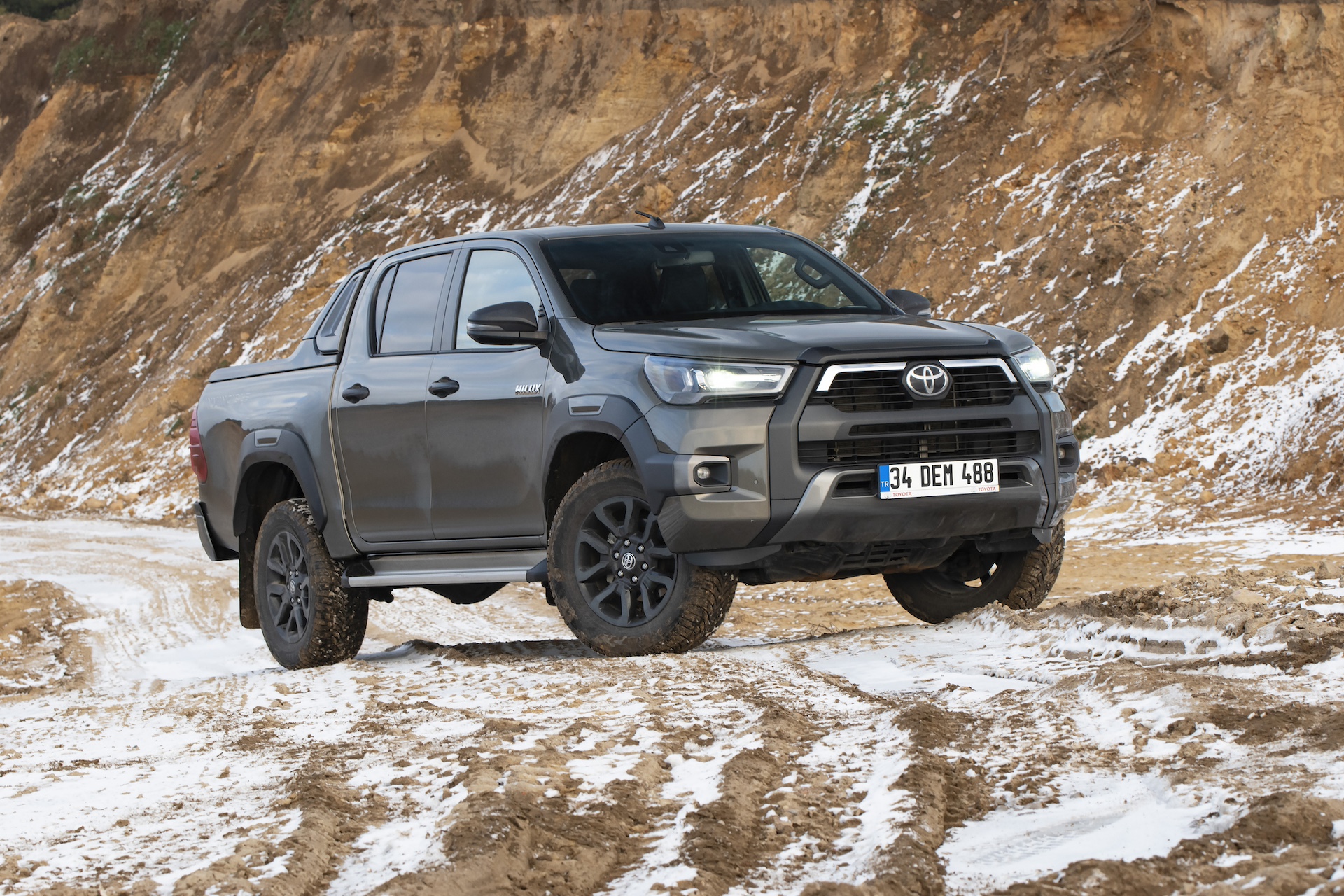
The Toyota Hilux
Renowned for its durability and versatility, the Toyota Hilux, known as the indestructible workhorse, is a popular choice across various game genres. Whether navigating rugged terrain or escaping enemy fire, the Hilux is built to handle any challenge. In the Far Cry series, the Hilux serves as a reliable means of transportation in remote and hostile environments. In the Call of Duty series, it frequently appears in war-torn settings, adding to the game’s immersive experience. Within the Grand Theft Auto series, this vehicle is found in both urban and rural settings, showcasing its adaptability. The Toyota Hilux’s reputation for toughness makes it a go-to vehicle in video games, as its resilience aligns perfectly with the challenges faced in virtual worlds.
The Evolution of Cars in Video Games
From the release of the first racing game, Gran Trak 10 by Atari in 1974, to today’s complex open-world adventures, cars have evolved alongside video games. Game developers have continuously pushed boundaries, incorporating more realistic physics, detailed graphics, and intricate customization options. Ford holds the title as the most featured car brand in video games, appearing in a staggering 8,707 games. This includes various models like the Ford Crown Victoria, which have become synonymous with specific roles in the gaming universe.
Partnerships and Collaborations
Collaborations between car manufacturers and game developers have become increasingly common. For instance:
- Porsche partnered with Blizzard Entertainment to introduce its cars to Overwatch 2, featuring a new Porsche skin for the character D.Va.
- Ferrari made its debut in Fortnite with the Ferrari 296 GTB, offering players unique in-game experiences and challenges.
- Cyberpunk 2077 features a modified 1977 Porsche 911 Turbo (930), blending the line between reality and the game’s dystopian world.
Bring Games into Reality
The interplay between cars and video games has created a unique blend of entertainment and automotive culture. Whether you’re a car enthusiast or a gamer, the iconic vehicles featured in your favorite games offer both nostalgia and excitement. No matter your favorite game, you too can bring the excitement from the screen to your real-life day-to-day at Casa Toyota. Visit our dealership today and test drive many of the great cars that can be found in your console or PC today! Feel power, speed, and comfort leap from your controller to treat all your senses today with the dependable and undying Toyota Corolla from Casa Toyota before they join the digital world. Looking for something a little more classic? View our pre-owned vehicles and bring your favorite digital ride to life.
Square dancing has captivated generations with its rhythmic steps, vibrant music, and sense of unity. Deeply rooted in American culture, it is significant in Southern states like Texas, Arizona, New Mexico, and Oklahoma. Let us explore the origins, evolution, and cultural importance of square dancing in America and ‘the West’!
The Origins of Square Dancing
Square dancing originated from various European folk dances, like the English Morris dance, French quadrille, and Scottish reel, brought to America by European immigrants in the 17th and 18th centuries. Over time, these styles blended into the American square dance we know today. The quadrille, involving four couples in a square, greatly influenced square dancing’s development. After the American Revolution, it became a popular social activity in the new nation. By the 19th century, square dancing had spread widely in America, especially in rural areas, becoming a fixture at social gatherings. African-American communities played a key role, often serving as musicians and introducing the practice of “calling”—announcing dance steps. This innovation is now a defining feature of square dancing.
Square Dancing in the Southern States
Square dancing, cherished across the nation, holds a special significance in the cultural fabric of Southern states like Texas, Arizona, New Mexico, and Oklahoma. This vibrant tradition flourishes in the Southwest, with each state infusing the dance with its unique flair. In Texas, square dancing is more than just a pastime—it’s a way of life. Numerous clubs and large-scale events attract enthusiasts nationwide, underscoring its role as a cultural cornerstone that celebrates community and tradition.
In Arizona and New Mexico, square dancing is enriched by the Southwest’s cultural diversity, blending Native American and Mexican folk traditions. This fusion acts as a cultural bridge, fostering mutual appreciation and understanding. Meanwhile, in Oklahoma, the dance is intertwined with the state’s cowboy culture, embodying a rugged, independent spirit that makes it a beloved local pastime. Together, these states form a dynamic hub for square dancing, honoring its historical roots while celebrating its enduring cultural significance.
Key Milestones in Square Dance History
In the early 20th century, square dancing faced a decline as other forms of entertainment gained popularity. Henry Ford, the famous industrialist, played a pivotal role in reviving the dance. He sponsored square dance clubs and events, ensuring the tradition’s survival and inspiring a new generation of enthusiasts. Educator Lloyd Shaw was instrumental in transforming square dance from a regional folk activity into a national phenomenon.
After World War II, Shaw integrated square dancing into high school physical education programs across the country, helping to standardize calls and choreography. Today, square dancing has evolved into two primary forms: Traditional Square Dance, known for its regional varieties and simpler, pre-determined calls, and Modern Western Square Dance, which evolved in the 1970s and features more complex calls, improvisation by callers, and a broader range of music.
The Spirit of Square Dancing and Americana
Square dancing stands as a testament to America’s cultural diversity and spirit of innovation. Whether you’re a history enthusiast or simply someone looking to try something new, square dancing offers a delightful way to connect with others and celebrate our shared heritage.
Ready to step into the enchanting world of square dancing? Put on your dancing shoes, find a partner, and join the community that keeps this timeless tradition alive. Much like square dancing, cars are a central part of the American way of life. Visit Casa Toyota and keep the American dream alive with all the cars, trucks, and SUVs you could ever wish for! Whether you’re going to the honky tonk, need something that can tow for work, or simply want to cruise in style, we have what you need. We look forward to seeing you at Casa Toyota!
Two models stand out in the rapidly changing world of hybrids: the 2025 Honda Civic and the 2024 Toyota Prius. If you care about fuel efficiency, performance, and modern technology, the 2024 Toyota Prius is your best option.
Strong Powertrain
The 2024 Toyota Prius features a powerful 2.0-liter I-4 engine with two electric motors, providing a total of up to 196 hp. Unlike the Honda Civic Hybrid, the Prius offers all-wheel drive (AWD), adding a third motor on the rear axle for better stability. This AWD option is great for anyone needing extra traction in different driving conditions, which the Civic Hybrid doesn’t offer.
For those wanting more, the Prius Prime is a plug-in hybrid version that increases total output to 220 hp and can run in all-electric mode for up to 44 miles. This flexibility is perfect for drivers looking to save on gas.
Excellent Fuel Efficiency
The 2024 Toyota Prius stands out for its fuel efficiency. The EPA rates it at an impressive 57 mpg in both the city and on the highway. Even the high-end trims, which have larger wheels and more features, still manage up to 52 mpg. In contrast, the Honda Civic Hybrid only gets about 50 mpg in the city and 47 mpg on the highway.
For Prius Prime drivers, expect fuel efficiency between 50 and 53 mpg in hybrid mode, and in EV mode, it runs without using any fuel.
Roomy and Flexible Design
The 2024 Prius is a hatchback that seats five and offers plenty of cargo space. Its stylish yet practical design allows for extra storage when the back seats fold down, making it a great choice for families and anyone needing extra room.
Smart Technology and Safety
Toyota keeps you connected and safe with advanced tech and safety features. The base Prius has an 8.0-inch infotainment touchscreen, while higher trims come with a 12.3-inch screen. Both have wireless Apple CarPlay and Android Auto.
For safety, the Prius includes Toyota Safety Sense, which features automatic emergency braking, rear cross-traffic alert, blind-spot monitoring, lane-keep assist, adaptive cruise control, and road sign recognition. These features help ensure a safe driving experience.
Affordable Pricing
The 2024 Prius starts at just over $29,000 for the basic LE trim and goes up to around $36,000 for the Limited model. Adding AWD costs an extra $1,400, making it accessible for those who need it. The Prius Prime starts a bit higher, just over $34,000, but offers plug-in hybrid technology.
Drive Efficiently. Drive the 2024 Toyota Prius
The 2024 Toyota Prius offers great power, efficiency, and advanced features, making it an excellent choice for eco-friendly drivers. The Prius beats the Honda Civic Hybrid in key areas with its top fuel economy, AWD option, and modern technology in 2024, with more surprises and efficiency likely on the way in the yet-to-be-announced 2025 Prius.
Ready to switch to a more efficient and versatile hybrid? Visit Casa Toyota to test drive the 2024 Prius, take advantage of our service specials to keep your car in top shape, and stop by our financing department to prepare for an upgrade when the 2025 model arrives!